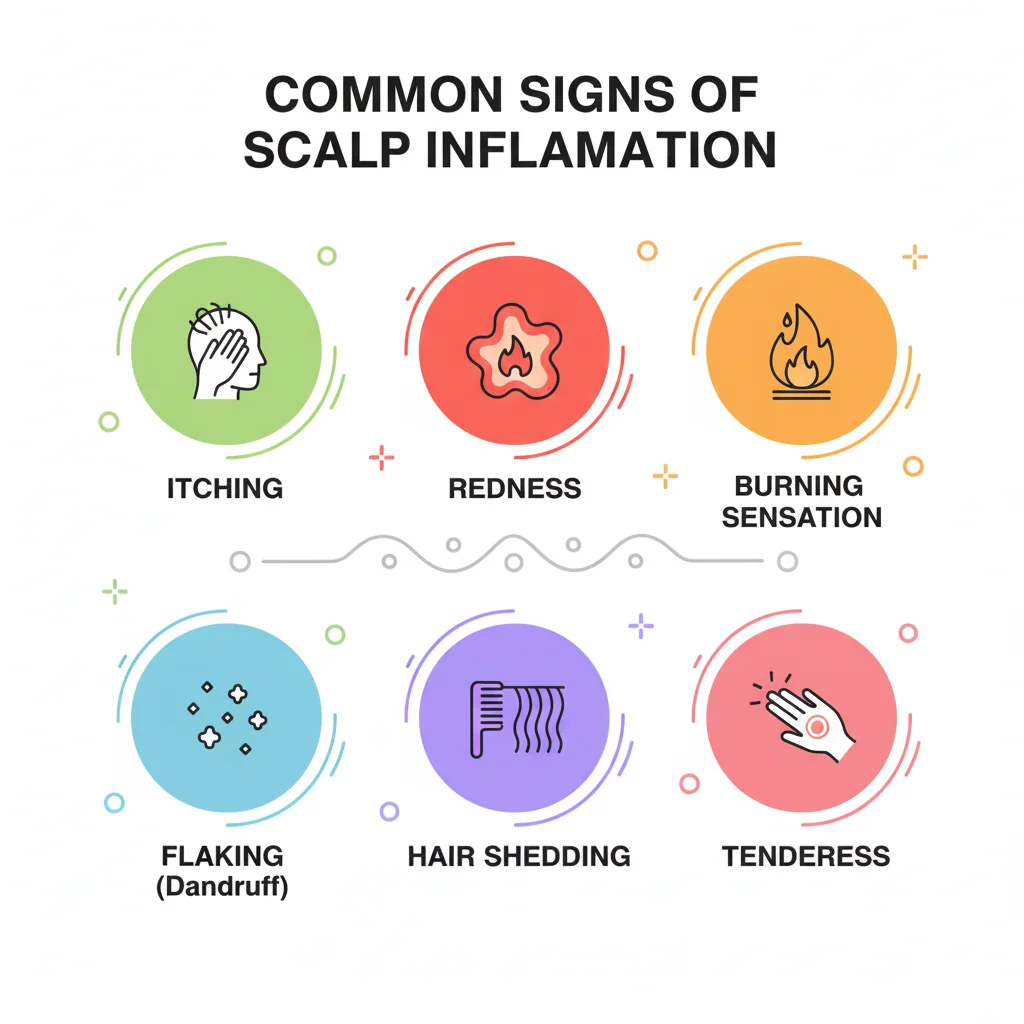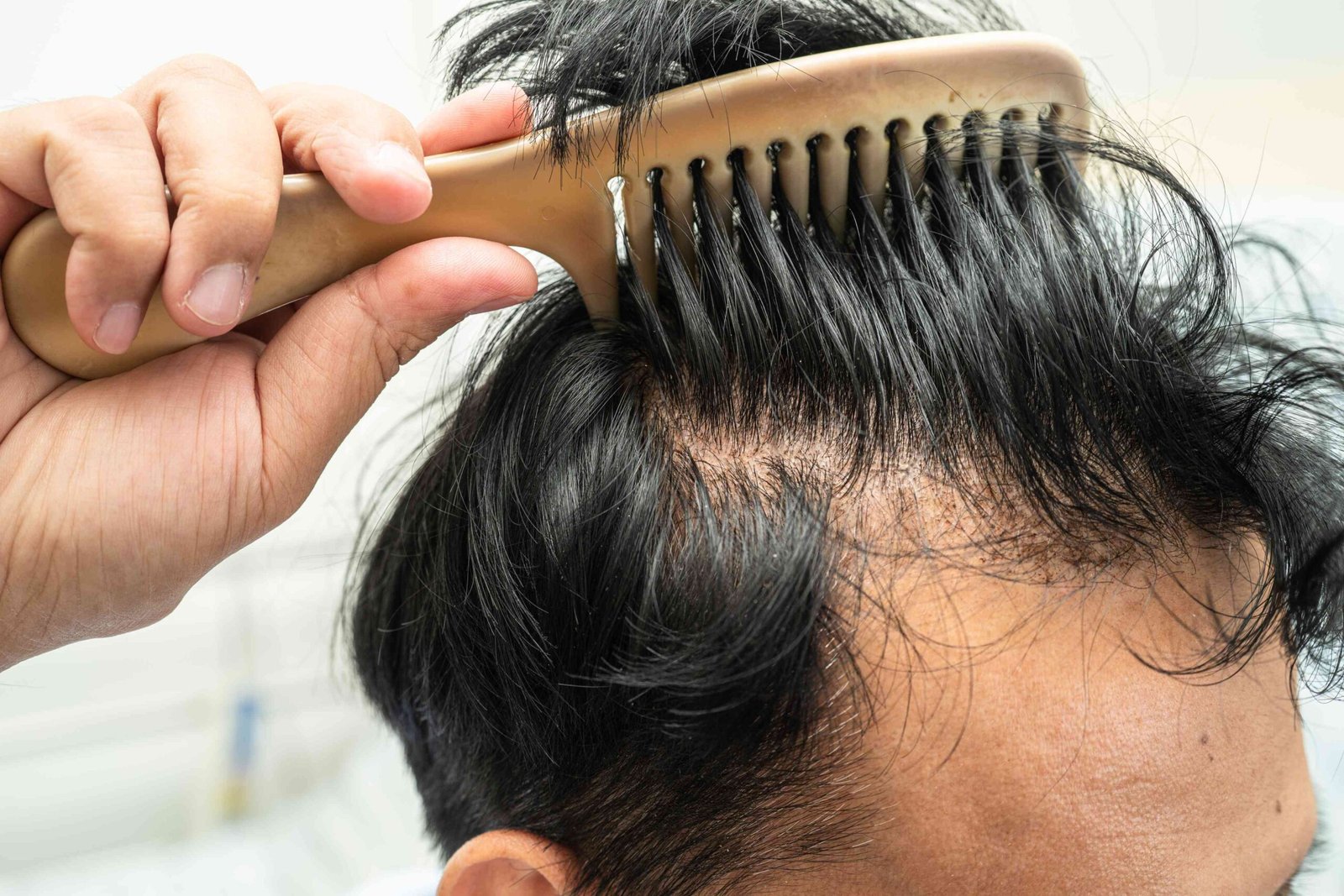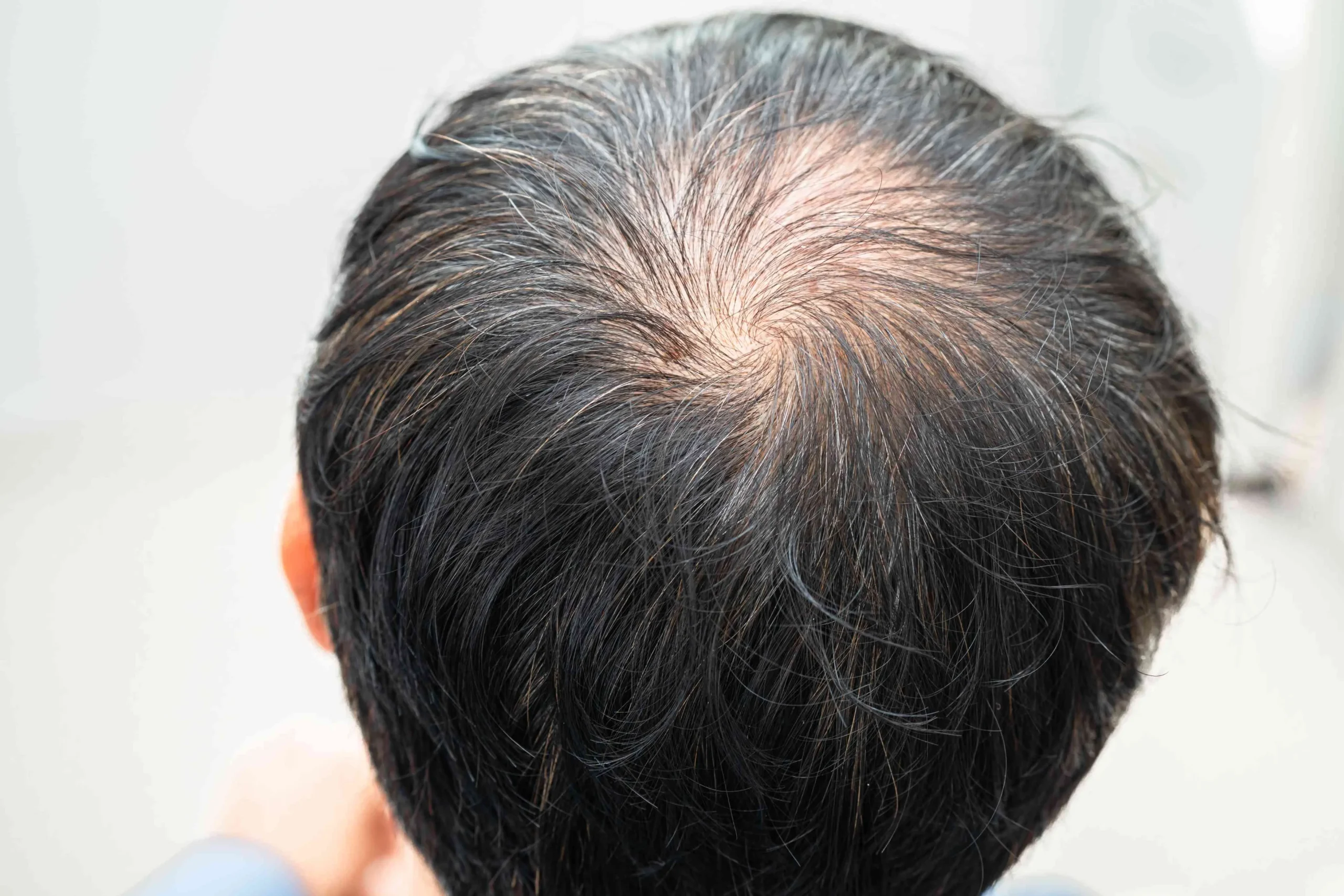
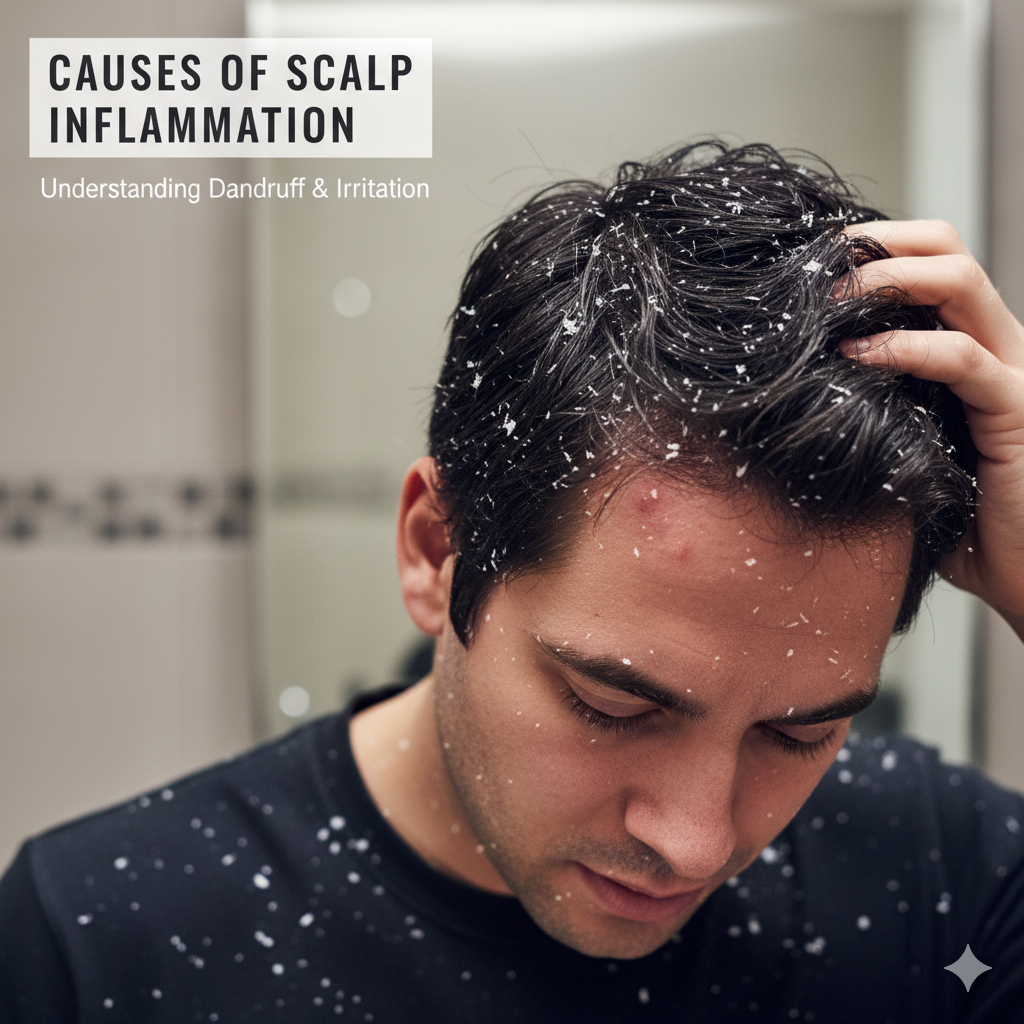
The most common causes of scalp inflammation include buildup of oil or dead skin, fungal or bacterial infections, allergic reactions, autoimmune conditions, and stress. When your scalp is inflamed, it can damage the hair follicles. This usually results in itching, redness, flakes, and even hair loss over time.
It is important to understand what things are behind the scalp inflammation because this will help your doctor advise Scalp inflammation treatment based on the causes.
What is Scalp Inflammation?
Scalp inflammation happens when the skin on your scalp becomes irritated, swollen, or painful due to internal or external triggers.
Scalp inflammation can happen to anyone. This usually starts slowly. In fact, most people don’t notice it at first. In the early phases, you may feel itching, burning, and flakes on your scalp.
If it remains unnoticed for a long time, it can weaken the roots and cause hair loss. In some people, it can even damage the scalp permanently.
To treat it, your doctor will first look for the main cause. You may need medicated shampoo, creams, or other treatments. Keeping your scalp clean and avoiding harsh products can also help stop irritation.
Causes of Scalp Inflammation
1. Excess Oil Buildup
Sometimes the scalp produces too much oil. This oil can mix with dirt and dead skin. Over time, it forms a layer that blocks hair follicles. This can make the scalp red, itchy, and flaky. It also creates a place for bacteria and fungi to grow, which can make inflammation worse.
2. Dead Skin Accumulation
Your scalp naturally sheds dead skin. Sometimes, this skin does not fall off properly. When it piles up, it can trap oil and block pores. This can cause itching, redness, and small flakes. Bacteria and fungi can also grow on the trapped skin and make inflammation worse.
3. Fungal Infections
Fungi naturally live on the scalp, but sometimes they multiply too much. This can cause itching, redness, and flaking. In some cases, the scalp can develop small sores. Fungal infections can make inflammation last longer if not treated.
4. Bacterial Infections
Bacteria can get into the scalp through small cuts or scrapes. This can cause redness, swelling, and pain. Sometimes, small bumps or pus form. Infections can damage hair follicles if not treated.
5. Allergic Reactions
Some hair products contain chemicals that irritate the scalp. Shampoos, dyes, or styling products can trigger redness, itching, or burning. Reactions can happen immediately or slowly over time. Avoiding the product usually helps the scalp calm down.
6. Autoimmune Conditions
Certain autoimmune conditions, like psoriasis or lupus, make the body attack the skin. This can cause red, scaly patches on the scalp. The scalp can feel itchy and sore. Chronic inflammation can weaken hair follicles over time.
7. Poor Scalp Hygiene
Not washing your scalp regularly can let oil, dirt, and sweat build up. This can irritate the skin and trigger inflammation. Build-up also encourages bacteria and fungi to grow. Regular cleaning helps prevent irritation and keeps the scalp healthy.
8. Stress
Stress affects the body and the scalp. High stress can make the skin more sensitive and inflamed. It can also worsen existing scalp conditions like psoriasis or eczema. Managing stress can help reduce scalp irritation.
9. Hormonal Changes
Hormonal shifts, like during puberty, pregnancy, or menopause, can increase oil production. This can make the scalp itchy and irritated. Hormonal changes can also worsen existing scalp conditions. Proper care and attention can reduce the effects.
10. Environmental Factors
Sun, wind, pollution, or harsh weather can irritate the scalp. Chlorinated swimming pools can also cause irritation. Over time, these factors can make the scalp dry, itchy, or red. Protecting your scalp helps prevent long-term inflammation.